How to Photograph Your Pet for a Portrait or Caricature
By Atharv Tathe •
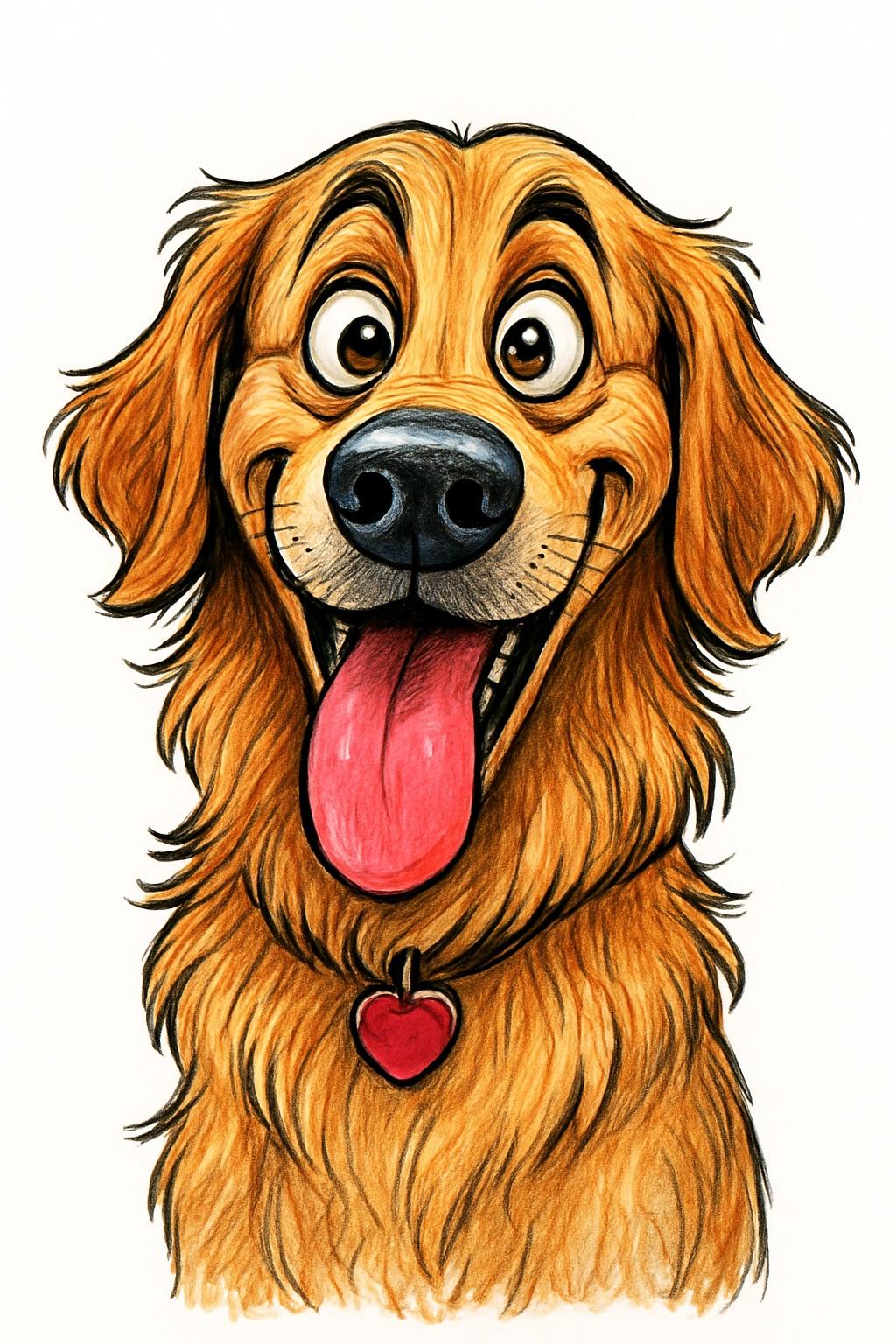
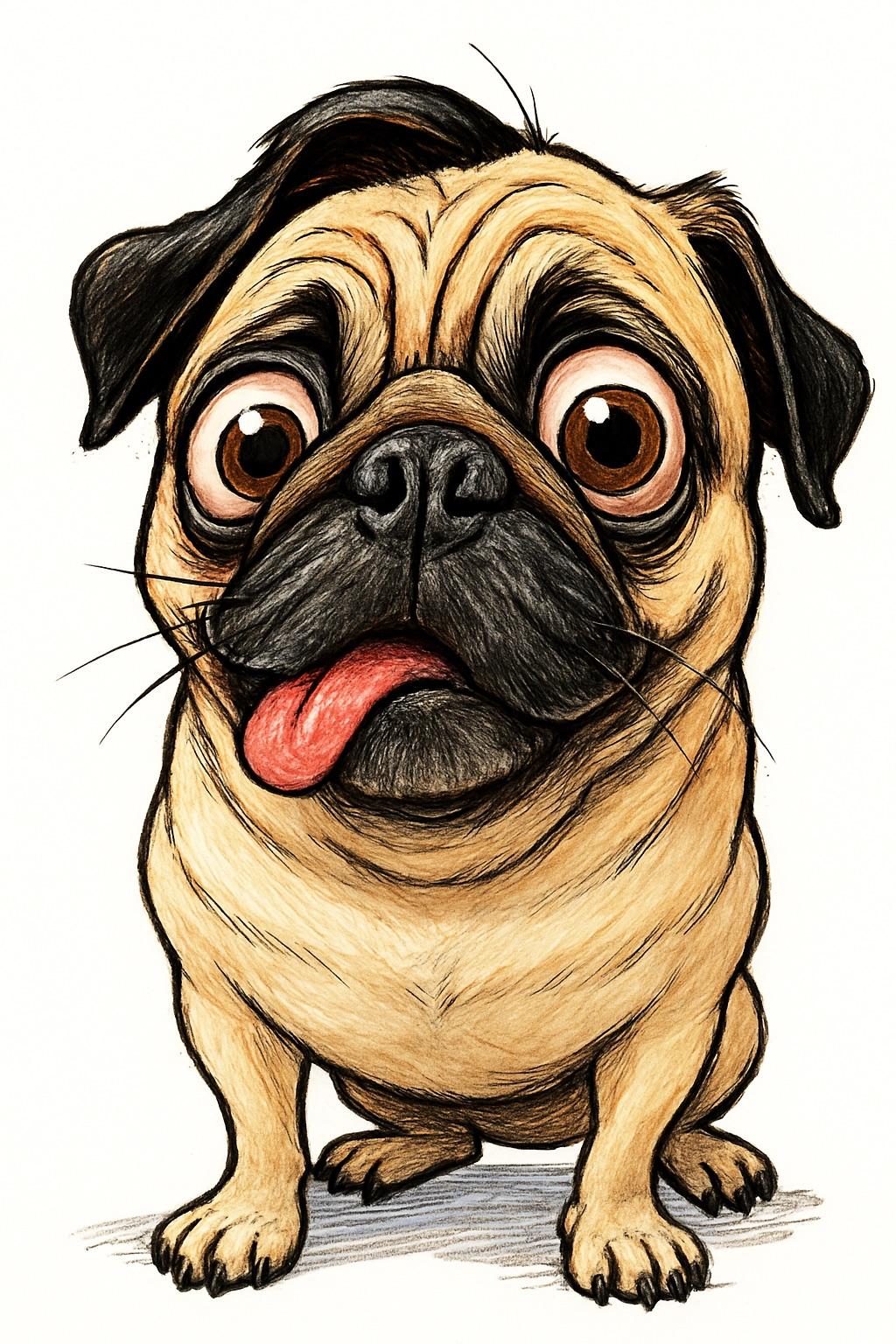
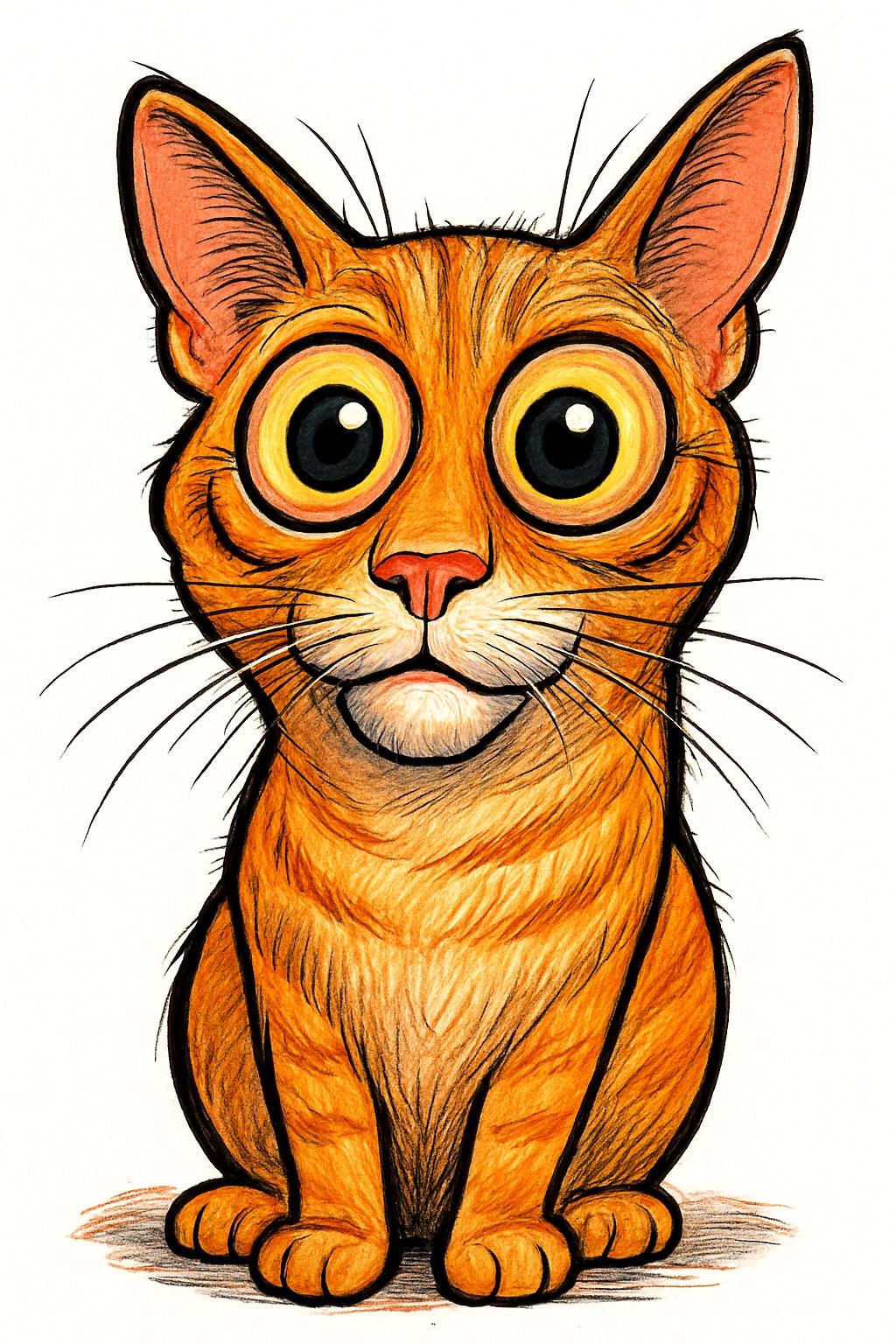
Whether you want a painted portrait, a custom illustration or a funny caricature of your dog or cat, the result can only be as good as the photo you start with. Artists and AI tools both need to see your pet’s face clearly: the shape of the eyes, the ears, the markings and that expression you love.
The good news is you don’t need a professional camera. A phone and a few tricks are enough. Here’s how to get a portrait-ready pet photo in about ten minutes.
1. Get Down to Their Eye Level
Most pet photos are taken standing up, looking down. That makes pets look small, squashes their faces and hides their eyes. Sit or kneel so your phone is level with their nose. For small dogs and cats, lie on the floor. This one change makes the biggest difference.
2. Use Soft Daylight
Place your pet near a big window during the day, with the light falling on their face. Avoid:
- Direct midday sun: it causes squinting and harsh shadows.
- Flash: it creates glowing “laser eyes” and flattens fur.
- Dark rooms at night: phones blur the image to compensate.
Dark-coated pets need extra light. Black dogs and cats often turn into a featureless silhouette in dim rooms, so shoot them in the brightest spot you have.
3. Get Their Attention Above the Lens
You want your pet looking at the camera, not at you. Hold a treat or a squeaky toy just above the phone, or make a strange noise right before you shoot. You get a second or two of perfect attention, often with a head tilt as a bonus.
4. Use Burst Mode
Pets move. Hold the shutter button down (or use burst mode) to take a quick series, then pick the sharpest one. Zoom in on the eyes: if they are crisp, the photo is good.
5. Fill the Frame with the Face
For portraits and caricatures, the face matters more than the whole body. Get close enough that the head fills a good part of the frame, but not so close that the ears get cut off. Don’t rely on digital zoom; move closer instead.
6. Keep the Background Simple
A plain wall, a sofa or a lawn works better than a busy room. It helps the artist or the AI separate your pet from the background, especially for pets whose fur matches the floor.
Photographing You and Your Pet Together
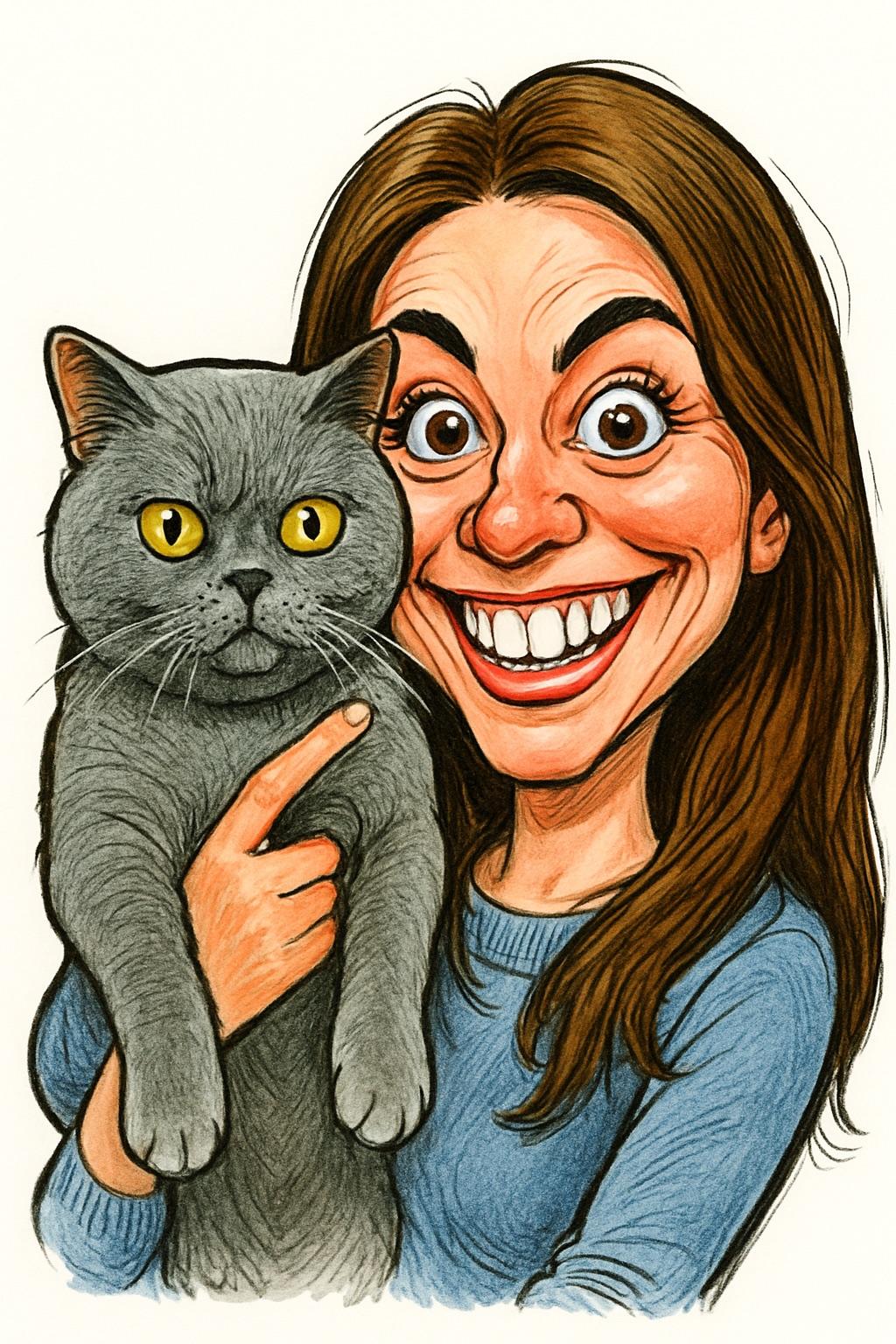
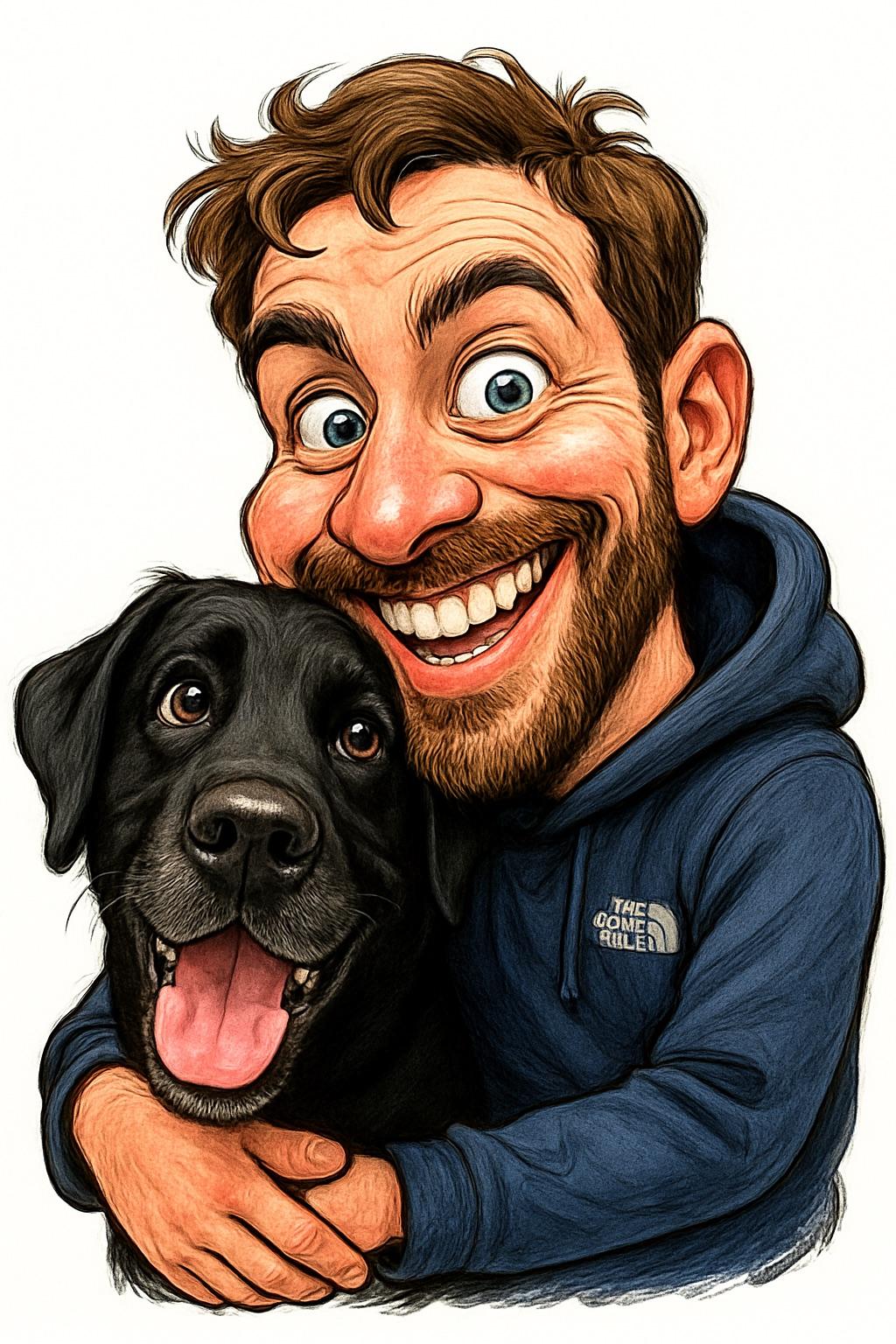
Owner-and-pet portraits are some of the most popular. To get a good one:
- Hold your pet close so your faces are near each other
- Make sure both of you are facing the camera and in the same light
- Ask someone else to take the photo, or use a timer and a stand
- Take lots of shots; you need one where both of you look good
What a Good Photo Turns Into
These are caricatures made with our tool from clear, eye-level pet photos. Notice how each one keeps the details that make the animal recognizable: the pug’s wrinkles, the tabby’s stripes, the husky’s blue eyes.
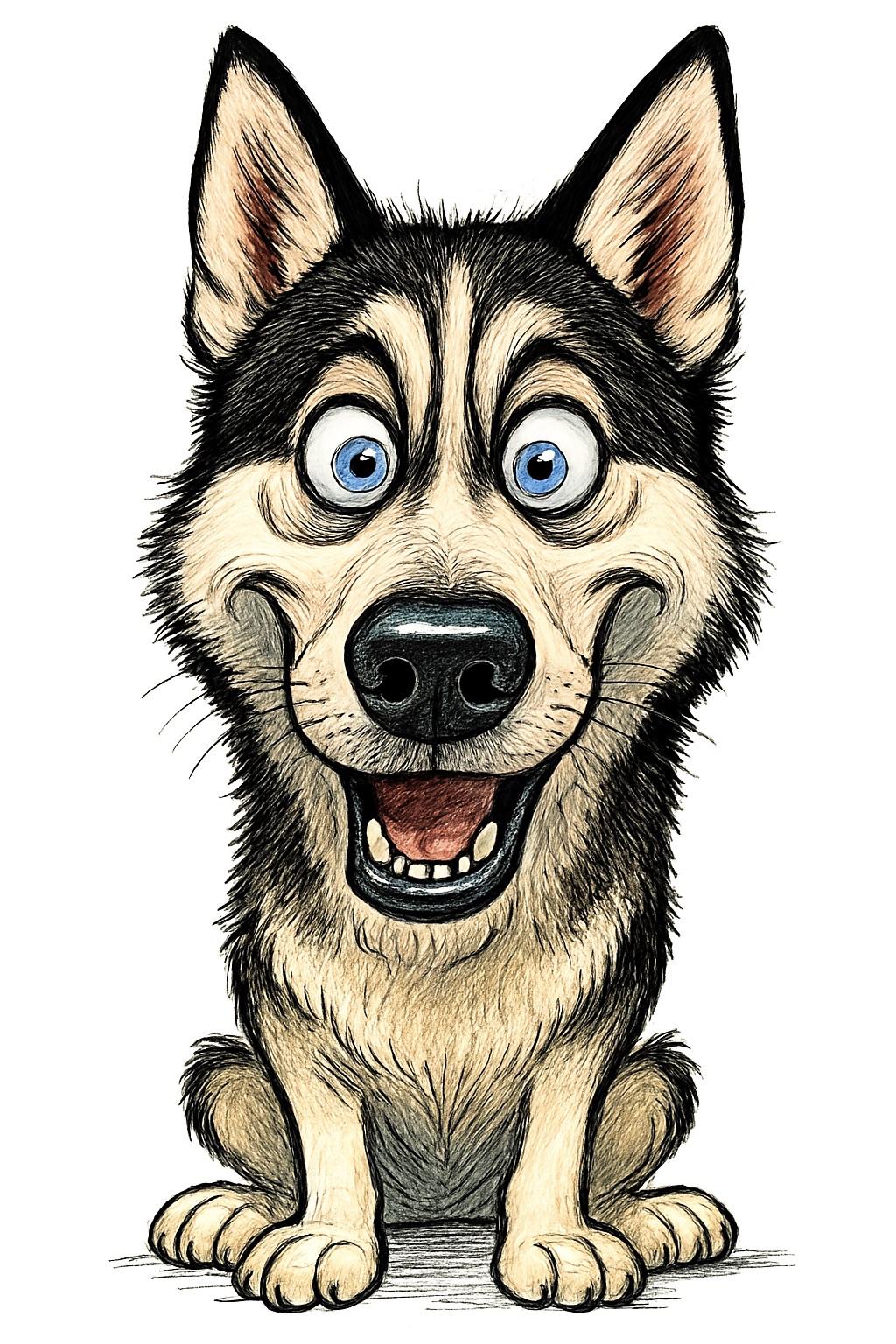
Quick Checklist
- Camera at your pet’s eye level
- Soft daylight on the face, no flash
- Treat or toy held just above the lens
- Burst mode, then pick the sharpest eyes
- Face fills the frame, ears included
- Plain background
Turn Your Photo into a Pet Caricature
Got the shot? Upload it to our pet caricature maker and get a funny, high-resolution caricature of your dog or cat in seconds. It makes a great gift for any pet parent; see our caricature gift ideas and printing guide for what to do with it next.
Want to see yourself as a caricature?
Upload a photo and get a funny, high-resolution caricature in seconds.
Create Your Caricature