10 Famous Caricature Artists Who Shaped the Art Form
By Atharv Tathe •
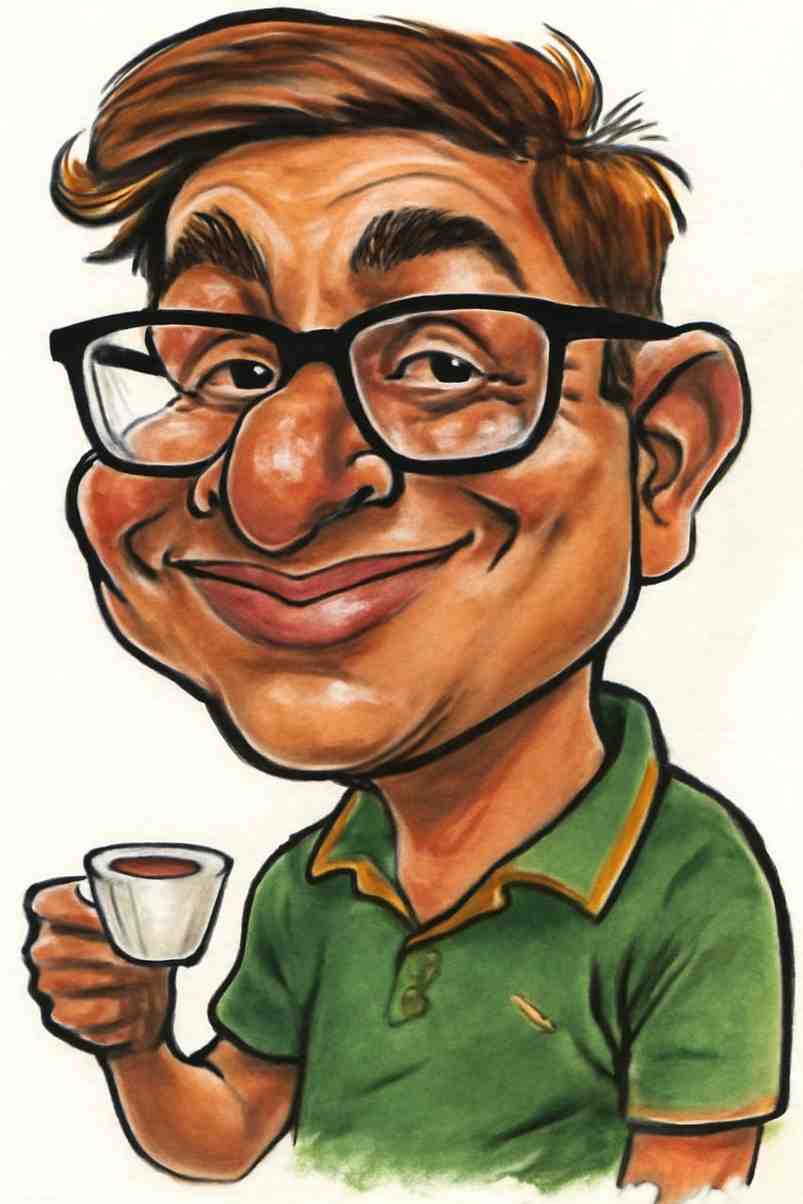
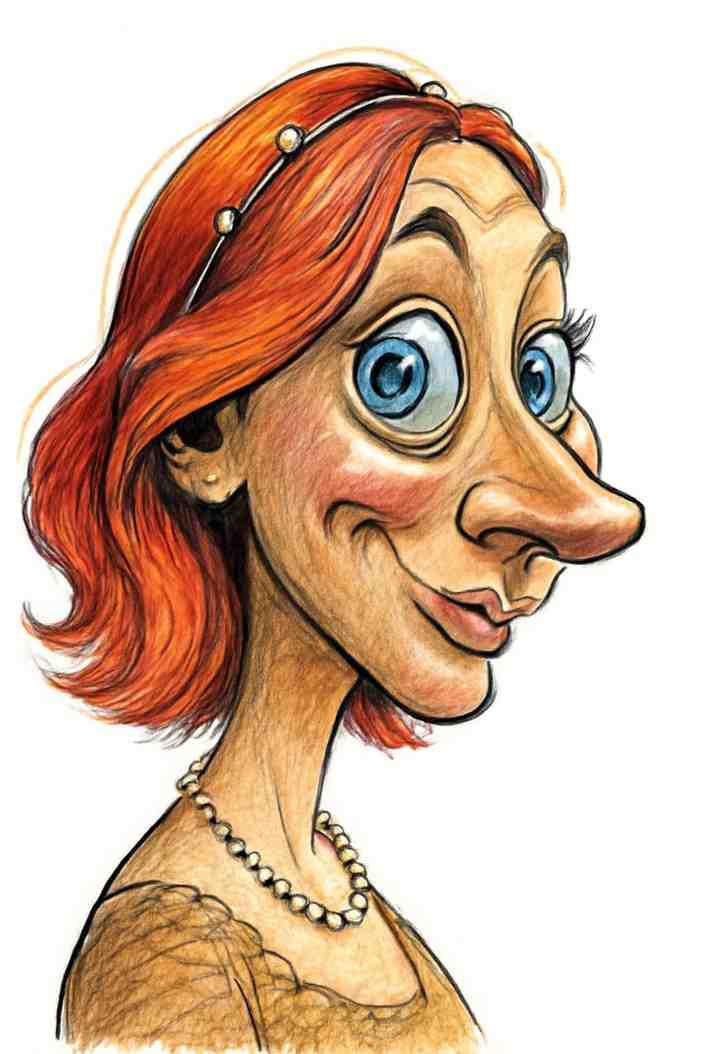
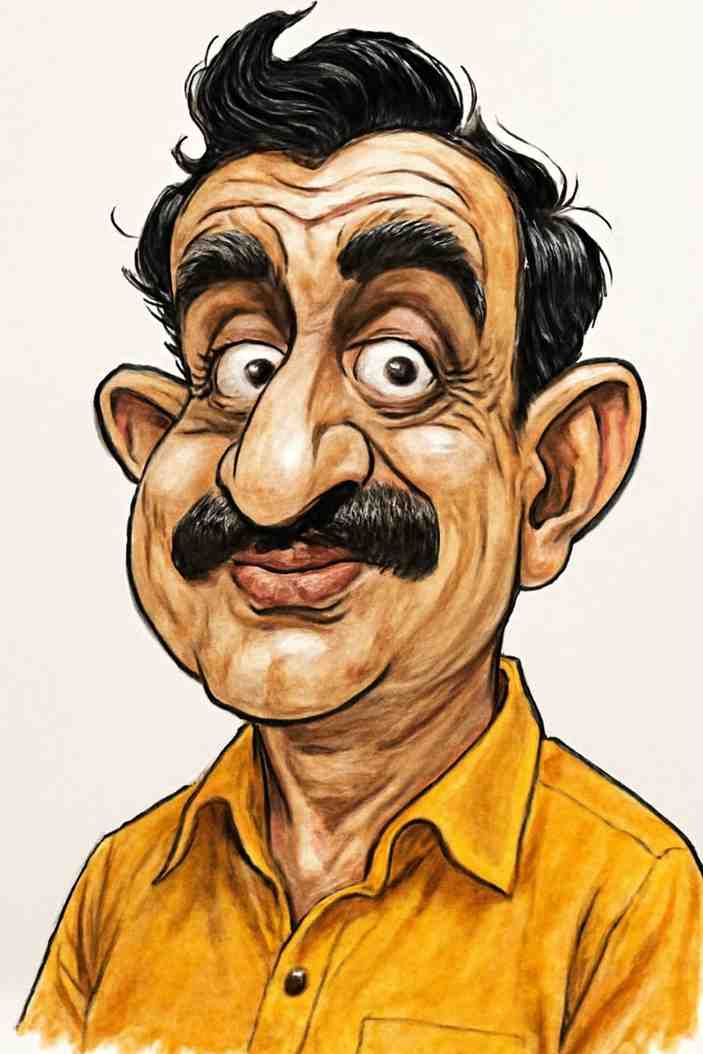
Caricature has a surprisingly long and rebellious history. It began as a private joke among Renaissance painters, became a weapon against kings and corrupt politicians, and grew into a celebrated art form in newspapers, magazines and galleries. These ten artists each pushed the art of exaggeration in a new direction, and each has something to teach anyone who enjoys caricatures today.
1. Annibale Carracci (1560–1609)
The Bolognese painter and his brother Agostino are credited with some of the earliest caricature drawings: playful portrait sketches that loaded a face with exaggeration. The word caricature itself comes from the Italian caricare, “to load”.
What we can learn: Caricature started as a private game among serious artists. Play is part of the craft.
2. Gian Lorenzo Bernini (1598–1680)
Better known for his sculptures and St. Peter’s Square in Rome, Bernini also dashed off quick pen caricatures of cardinals and other figures of the papal court, using just a few lines.
What we can learn: A handful of confident lines can capture a person better than hours of detail.
3. William Hogarth (1697–1764)
The English painter and engraver drew a sharp line between “character”, observing real people truthfully, and caricature. His 1743 print Characters and Caricaturas makes the argument visually, and his satirical series about London life influenced generations of cartoonists.
What we can learn: Exaggeration works best when it’s rooted in careful observation.
4. James Gillray (1756–1815)
Gillray turned caricature into a political weapon in Georgian Britain. His hand-colored prints mocked King George III, politicians and, famously, Napoleon, whom he portrayed as the tiny, tantrum-prone “Little Boney”.
What we can learn: Caricature can shape how the public sees someone. Use that power with care.
5. Honoré Daumier (1808–1879)
The French artist drew thousands of lithographs satirizing lawyers, politicians and everyday Parisians. His 1831 caricature of King Louis-Philippe as the giant Gargantua landed him in prison for six months.
What we can learn: Great caricature comments on character and behavior, not just looks.
6. Thomas Nast (1840–1902)
Nast’s cartoons in Harper’s Weekly helped bring down the corrupt New York political boss William “Boss” Tweed. He also created the Republican elephant and popularized the Democratic donkey as party symbols.
What we can learn: A memorable visual symbol can outlive the moment it was drawn for.
7. Al Hirschfeld (1903–2003)
For decades Hirschfeld captured Broadway and Hollywood stars in flowing, elegant line drawings, many published in The New York Times. Fans famously hunted for his daughter’s name, NINA, hidden in the folds of hair and clothing.
What we can learn: Caricature doesn’t have to be grotesque. It can be graceful and affectionate.
8. David Levine (1926–2009)
Levine’s densely cross-hatched pen portraits of writers and politicians appeared in The New York Review of Books for decades and became one of the most recognizable styles in editorial illustration.
What we can learn: A consistent personal style makes your work instantly recognizable.
9. Mort Drucker (1929–2020)
Drucker drew the movie and TV parodies in MAD Magazine for more than half a century, caricaturing entire casts with remarkable likeness and energy.
What we can learn: Likeness comes from body language and posture as well as the face.
10. Sebastian Krüger (born 1963)
The German artist is known for richly painted, almost photorealistic caricatures of rock stars and celebrities, especially the Rolling Stones, with dramatically exaggerated proportions.
What we can learn: Realistic rendering and wild exaggeration can work together.
What These Artists Have in Common
Despite wildly different styles, from Bernini’s few quick lines to Krüger’s detailed paintings, every great caricaturist shares the same core skill: seeing what makes a person unique and amplifying exactly that, while keeping them recognizable. It’s the same balance we describe in what is a caricature?
Try It Yourself
Inspired to pick up a pencil? Our step-by-step guide on how to draw a caricature is a good place to start. Or, if you’d like to see yourself through a caricaturist’s eyes right now, you can turn a photo into a caricature in seconds.
Want to see yourself as a caricature?
Upload a photo and get a funny, high-resolution caricature in seconds.
Create Your Caricature