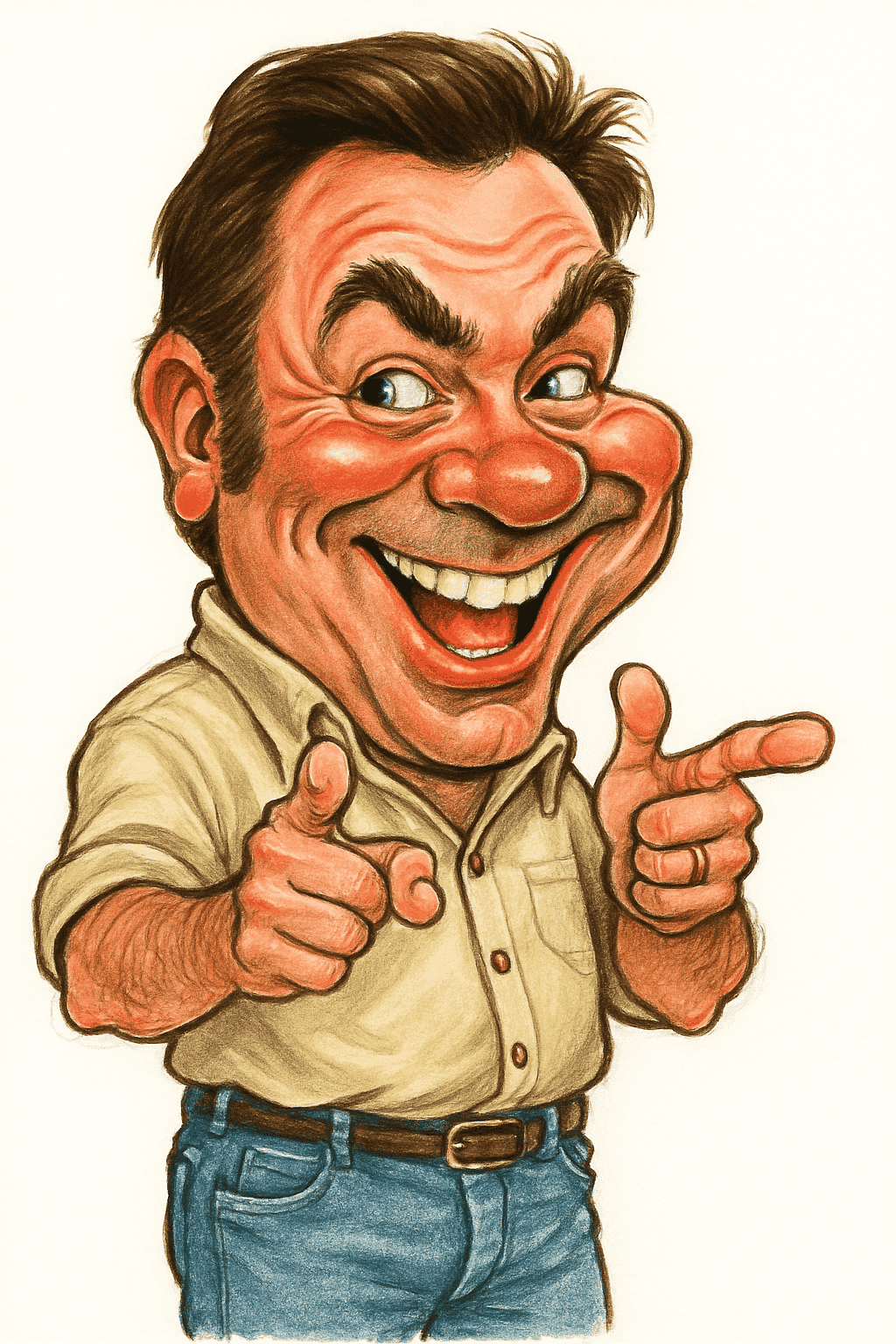
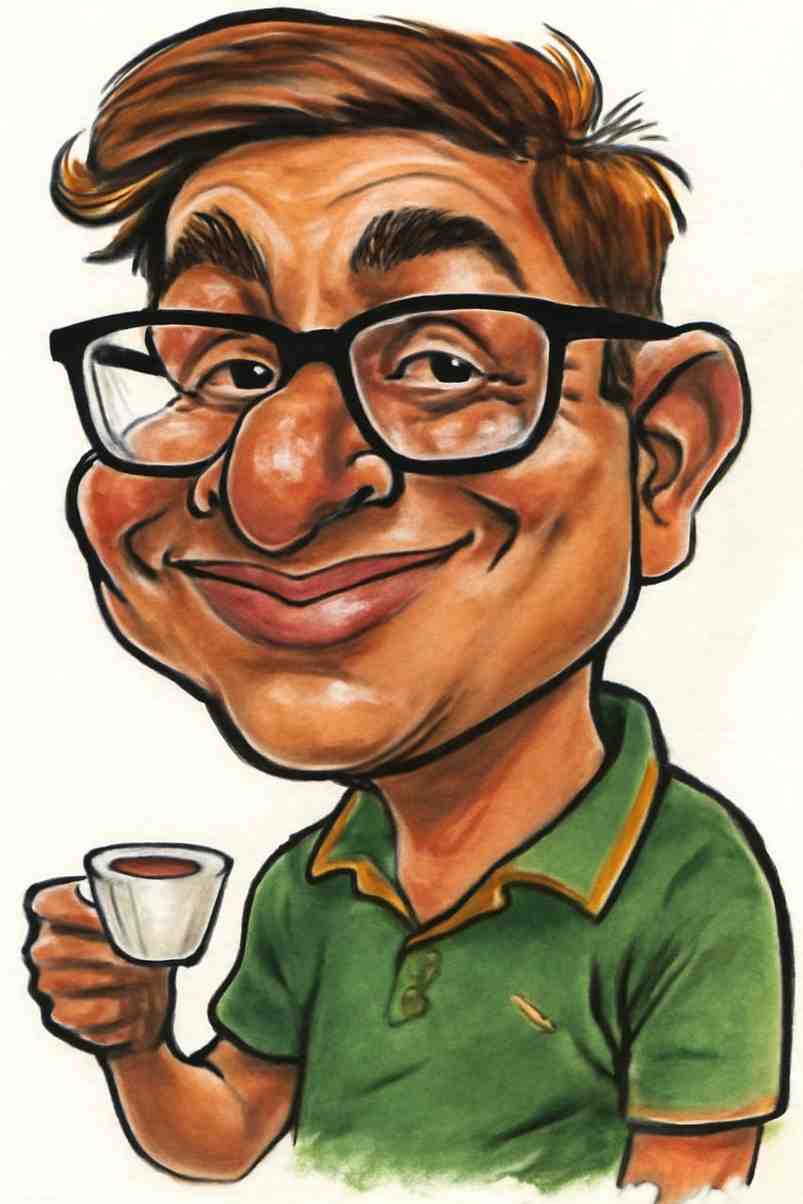
How to Draw a Caricature: A Step-by-Step Guide for Beginners
By Atharv Tathe •
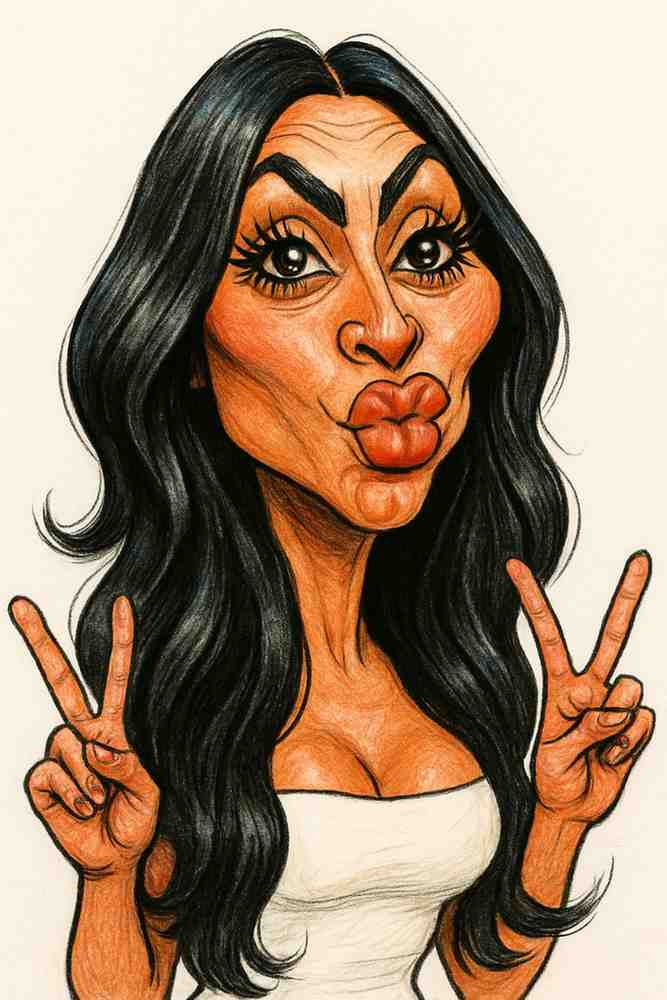
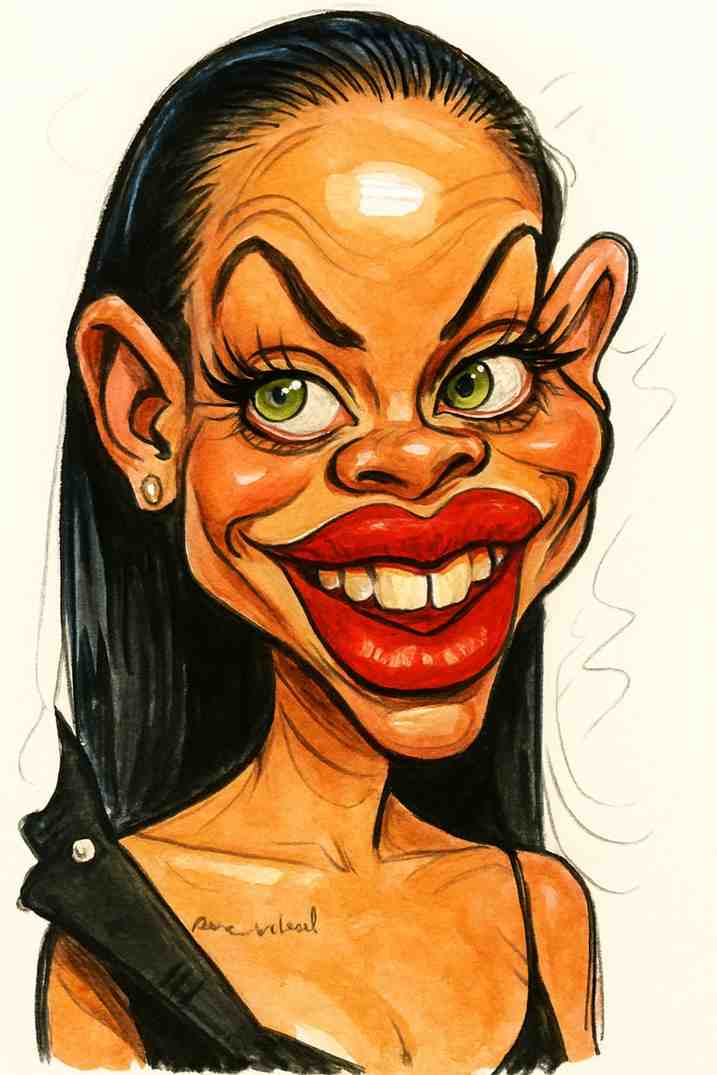
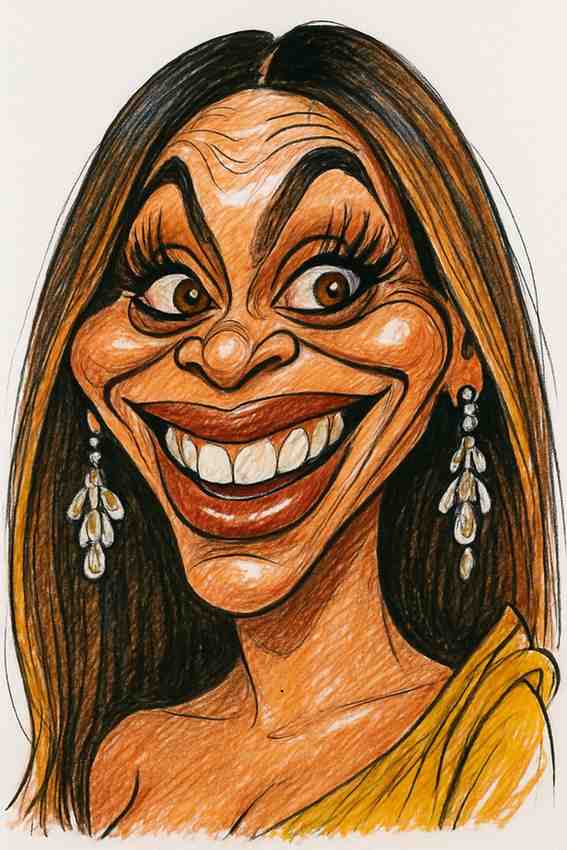
Drawing a caricature isn’t about making someone look silly. It’s about seeing what makes a face unique and turning the volume up on it. The good news: it’s a learnable skill. You don’t need to be a great portrait artist to start, just a pencil, paper and the right way of looking at faces.
What You’ll Need
- A pencil (an HB or 2B works well) and an eraser
- Plain paper or a sketchbook
- A black pen or fine marker for the final lines (optional)
- Clear, front-facing reference photos. Faces with strong features are easiest to start with
Step 1: Find the Head Shape
Every caricature starts with the overall shape of the head. Squint at your reference photo until the details blur. Is the head more like an egg, a rectangle, a triangle, a pear or a circle? Is it wider at the jaw or at the forehead?
Draw that shape lightly, and already exaggerate it a little: a long face gets longer, a wide jaw gets wider. This single step does a surprising amount of the work.
Step 2: Spot the Feature That Defines the Face
Ask yourself: if you had to describe this person to a stranger in three words, what would you say? That answer is your focal feature. Common ones are:
- A big smile or prominent teeth
- Strong eyebrows or deep-set eyes
- A distinctive nose
- A strong chin or jaw
- Big hair, a beard or signature glasses
Pick one main feature and, at most, one or two supporting ones. Trying to exaggerate everything is the most common beginner mistake, and it destroys the likeness.
Step 3: Map the Relationships
Likeness lives in the relationships between features more than in the features themselves. Look at:
- How far apart the eyes are, compared to the width of one eye
- The distance between the nose and the mouth
- How high the forehead is compared to the lower face
- Where the ears sit relative to the eyes and nose
If the eyes are slightly close together, push them closer. If the space between nose and mouth is long, make it longer. Exaggerating these distances is often funnier, and more recognizable, than enlarging a single feature.
Step 4: Push and Pull
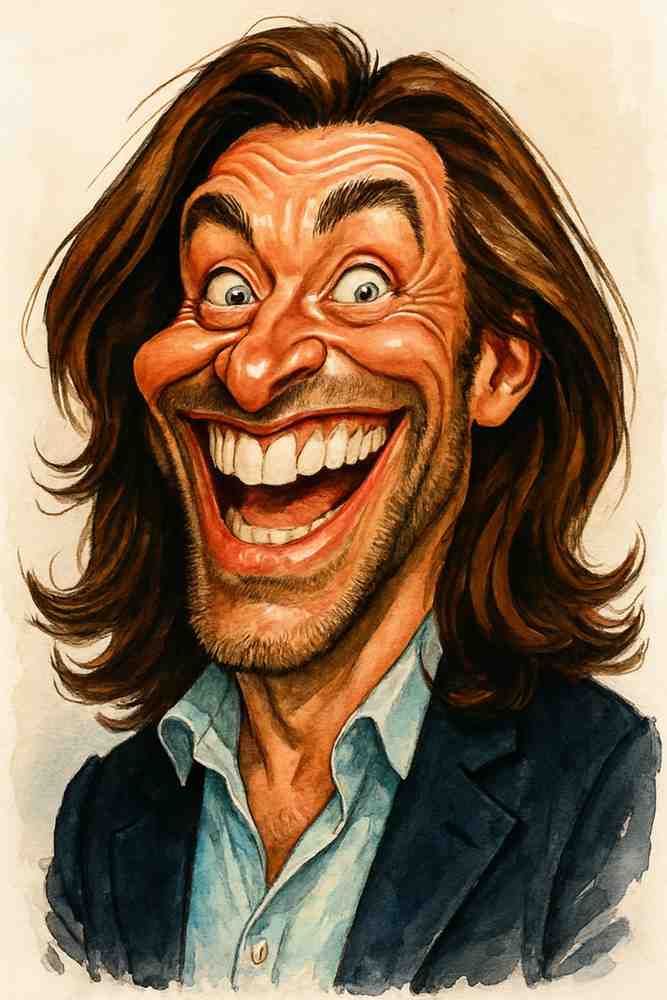
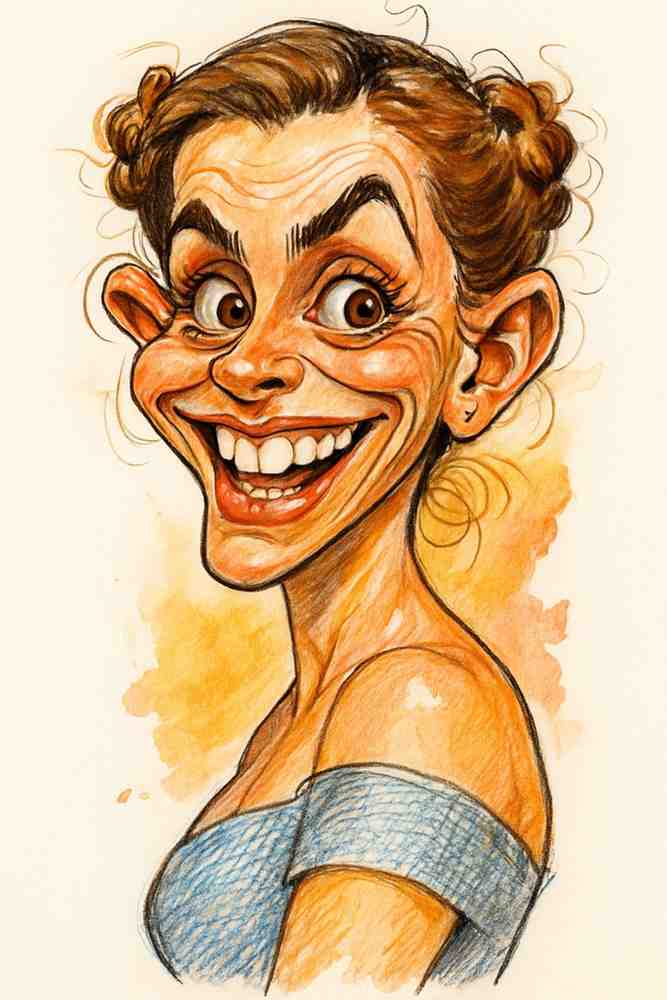
A useful rule for balancing a caricature is “push and pull”: when you make one area bigger, make another area smaller. A huge forehead reads better above a small chin; a giant smile works best with smaller eyes. The contrast is what makes the exaggeration feel intentional rather than just big.

Step 5: Keep the Expression
People are recognized by their expression as much as their features. A friend who always smirks should smirk in the caricature. Pay attention to the corners of the mouth, the shape of the eyebrows and the wrinkles around the eyes. These small details carry personality.
Step 6: Add Hair, Glasses and Clothes
Hair is often the second most recognizable thing about a person, so treat its overall silhouette as seriously as the face. Simplify it into big shapes rather than individual strands. Glasses, earrings and collars are quick shortcuts to recognition, too.
A classic caricature convention is a large head on a small body. Keep the body simple, and use pose or props to hint at a hobby or job.
Step 7: Refine and Ink
Once the pencil sketch looks like the person, go over the final lines with a pen, varying the pressure so important contours are bolder. Erase the pencil, then add shading or color if you like. Watercolor and colored pencil give the warm, hand-drawn look many people love.
Exercises to Improve Fast
- Five-minute sketches: set a timer and draw a face from a photo in five minutes. Speed forces you to focus on the big shapes and the main feature.
- Same face, three levels: draw one person three times, with mild, medium and extreme exaggeration. You’ll learn where the likeness breaks.
- Describe it first: before drawing, write down three words for the face. Then draw only those three things.
- Study the masters: look at how the famous caricature artists simplified faces. Each found a different balance between detail and exaggeration.
Common Beginner Mistakes
- Exaggerating every feature equally, so nothing stands out
- Starting with details (eyelashes, teeth) before the head shape
- Losing the expression that makes the person who they are
- Exaggerating things the person is sensitive about. Caricature should be affectionate, especially when it’s a gift
Want a Caricature Without Drawing?
Learning to draw caricatures is fun, but it takes practice. If you just want a caricature of yourself or someone else today, you can make one from a photo in seconds. It also makes a handy reference: compare what the AI chose to exaggerate with what you would have picked.
Want to see yourself as a caricature?
Upload a photo and get a funny, high-resolution caricature in seconds.
Create Your Caricature