What Is a Caricature? The Art of Exaggeration Explained
By Atharv Tathe • Updated
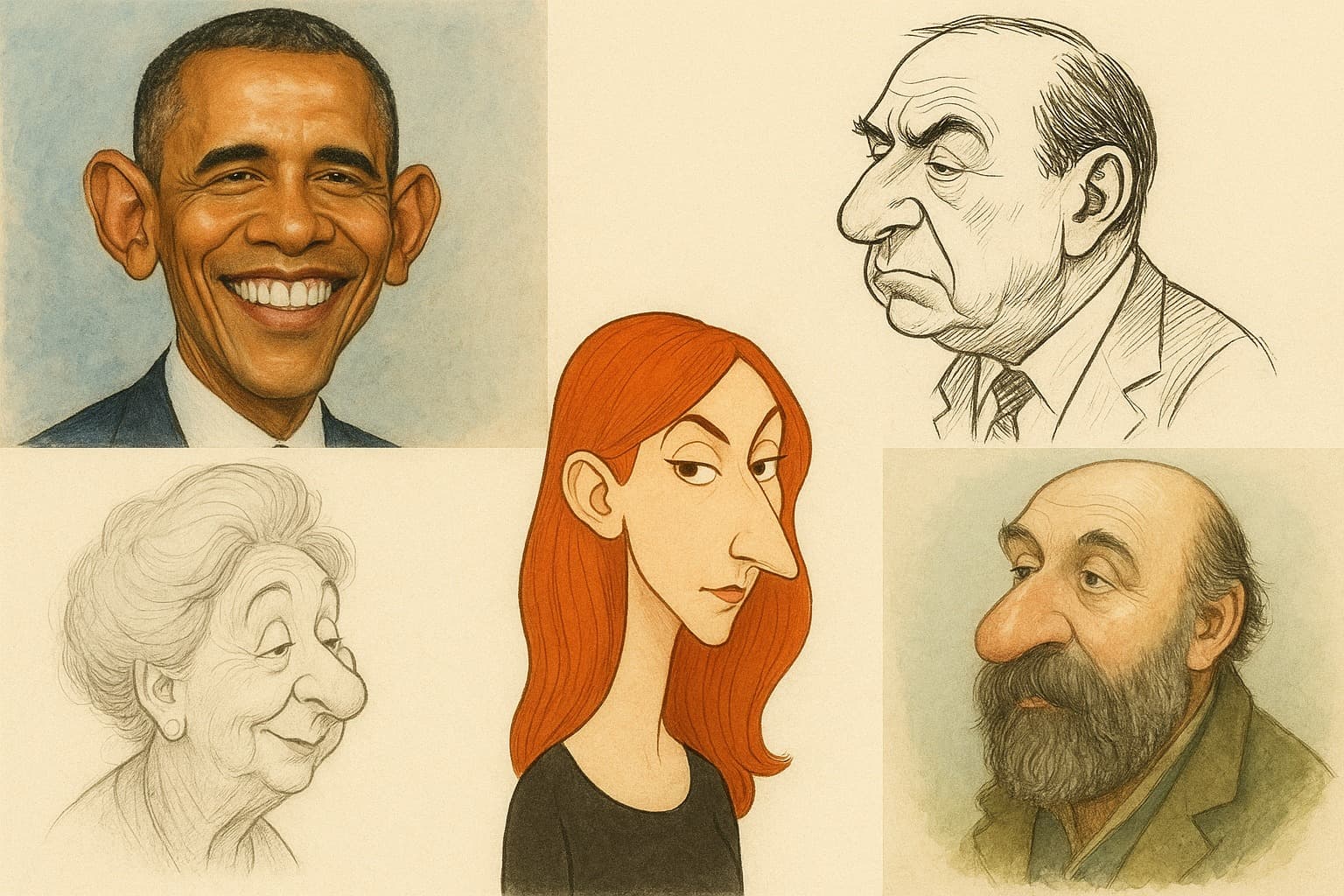
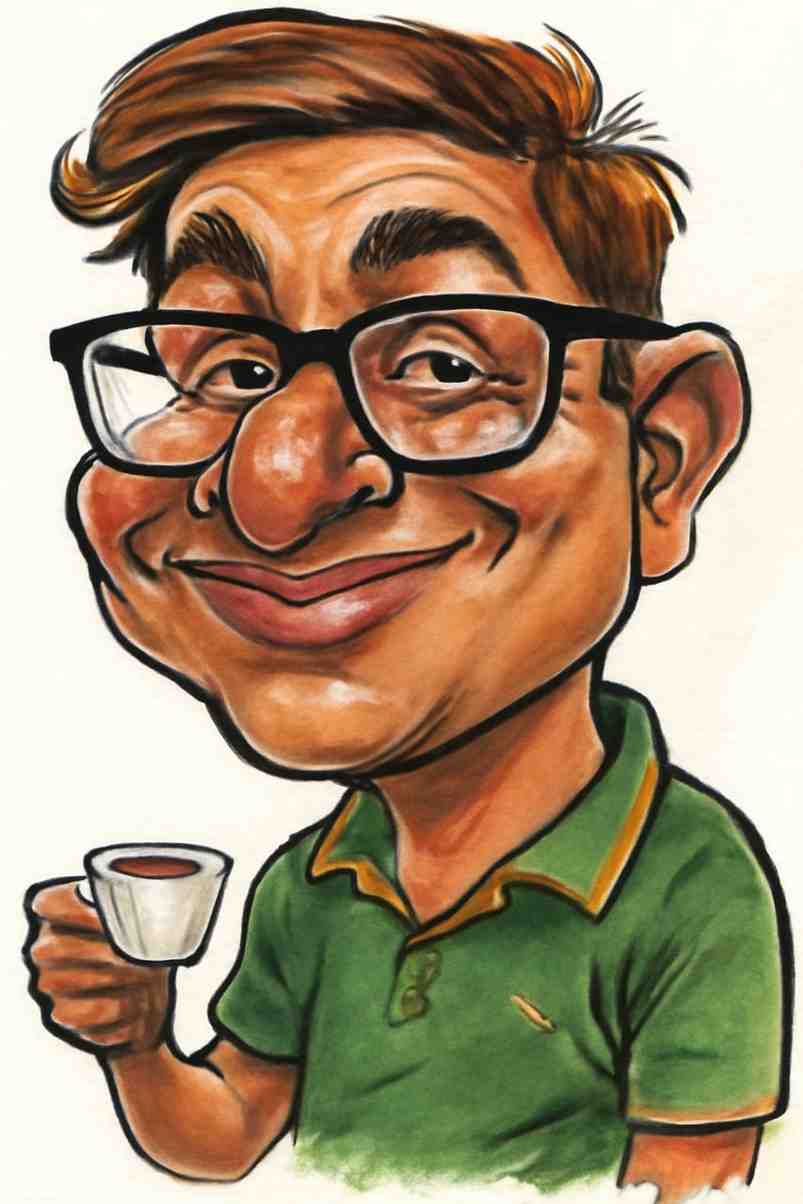
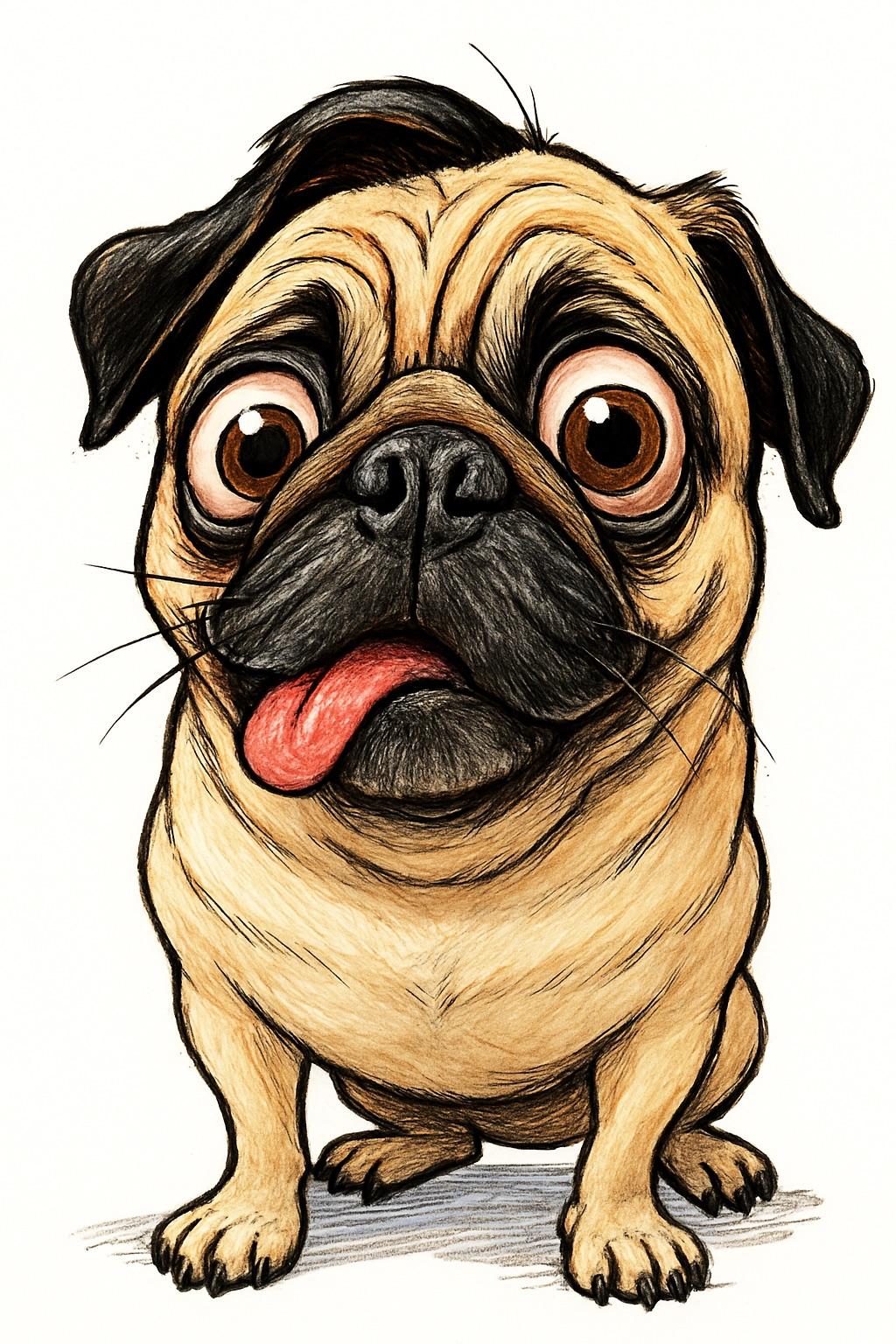
You’ve seen them at fairs, in newspapers and on people’s profile pictures: drawings where someone’s head is far too big, their smile is enormous, and yet you recognize them instantly. That’s a caricature. This guide covers what a caricature is, where the art form came from, how the exaggeration actually works, and how you can get one made from a photo today.
What Exactly Is a Caricature?
A caricature is a portrait of a real person in which their most distinctive features are deliberately exaggerated for comic, affectionate or satirical effect.
The important word is distinctive. A caricature doesn’t make someone look random and funny. It finds the two or three things people notice first, maybe a wide grin, heavy eyebrows or a big head of hair, and pushes them further while the rest of the face stays recognizable. A regular portrait aims for accuracy. A caricature aims for recognition through exaggeration.
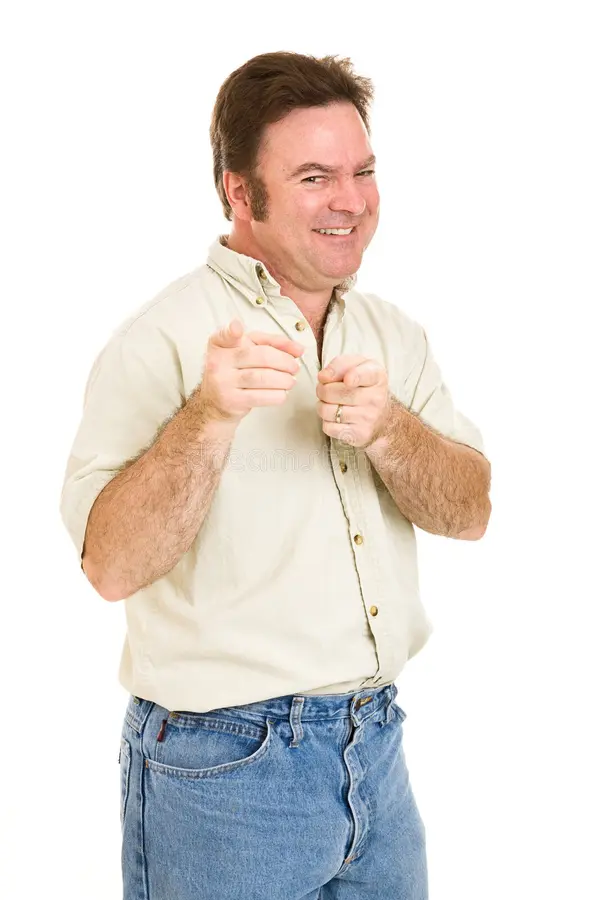 Photo
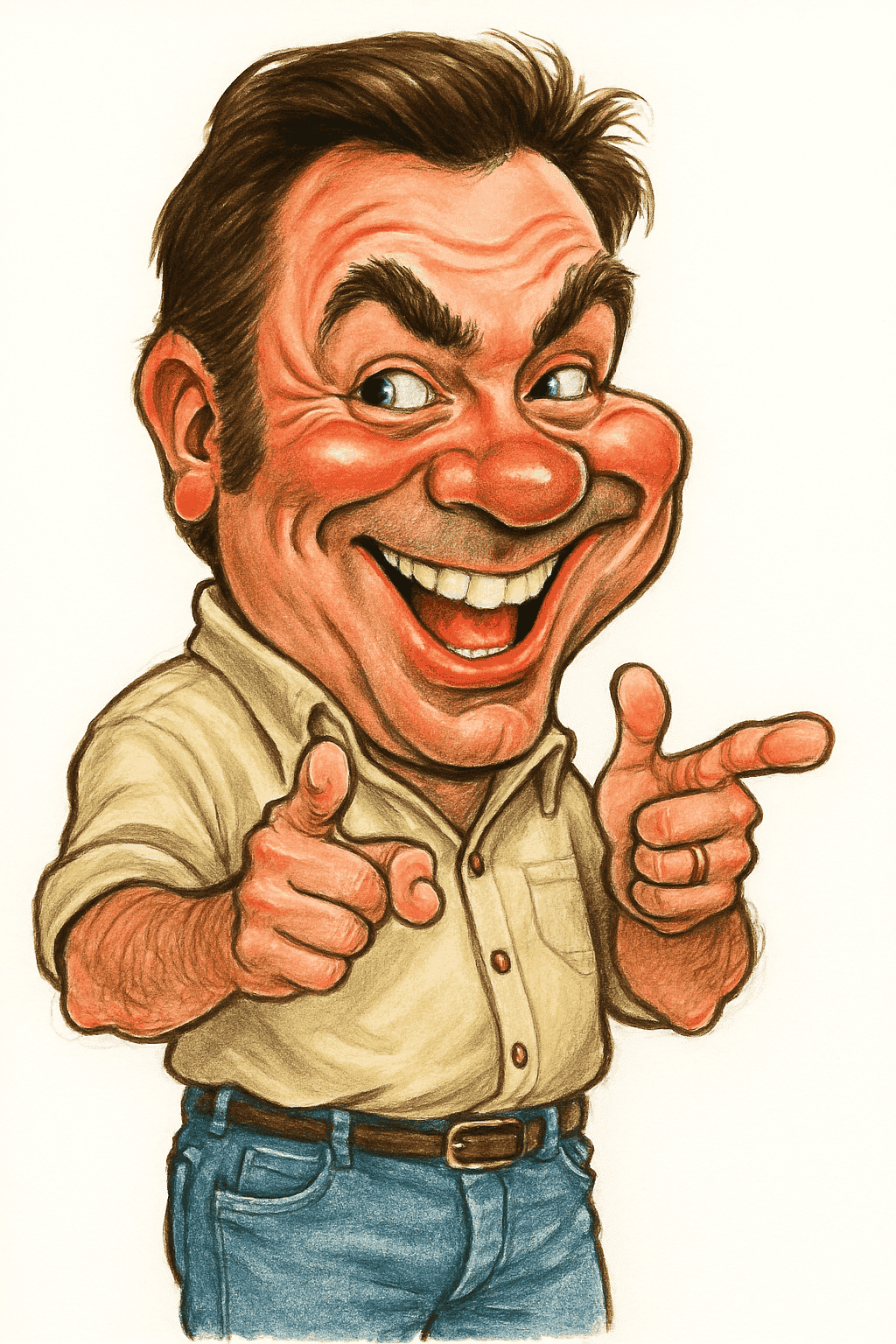 Caricature
A Brief History of Caricature Art
16th-century Italy: the name and the first sketches
The word comes from the Italian caricare, “to load” or “to charge”: a portrait loaded with exaggeration. In the late 1500s the Carracci brothers in Bologna made playful sketches of people that exaggerated their features, and the practice spread from there.
18th and 19th centuries: satire in print
Cheap printing turned caricature into a political weapon. James Gillray in Britain and Honoré Daumier in France drew kings, politicians and public figures with brutal exaggeration, and their prints shaped public opinion. Daumier was even jailed for a caricature of the French king. Meet more of the greats in 10 famous caricature artists.
20th century: newspapers, magazines and the boardwalk
Editorial cartoons made caricatures of world leaders a daily habit for newspaper readers, and street artists at fairs and tourist spots made the quick, affectionate caricature something anyone could sit for.
Today: from a photo, in seconds
AI tools can now study a photo and redraw the face as a caricature. It doesn’t replace a skilled artist’s judgment, but it puts the art form in reach of anyone with a phone.
The Art of Exaggeration: Finding the Balance
Every caricature walks a line between likeness and humor:
- Too little exaggeration and it’s just a portrait.
- Too much and nobody can tell who it is.
Artists find the balance by measuring how a face differs from an “average” face. Are the eyes unusually close together? Is the jaw especially strong? Those differences are what get amplified, while features that are close to average are left alone. That’s why a good caricature looks more like someone than a photo sometimes does: it shows you what makes their face theirs.
Common Types of Caricature
- Live caricatures: quick pen or marker sketches drawn in a few minutes at parties, fairs and events.
- Studio and commissioned caricatures: detailed, colored pieces drawn from photos over days, often for gifts.
- Editorial and political caricatures: satirical drawings of public figures used to make a point.
- AI caricatures: generated from a photo in seconds. The examples on this page were made with our caricature maker.
For a closer look at each, see our guide to 10 caricature styles.
Why People Love Caricatures
- They make people laugh without being mean, when done well.
- They capture personality, not just appearance.
- They make memorable, personal gifts. See our caricature gift ideas.
- They stand out as profile pictures in a feed full of ordinary selfies.
Is a Caricature the Same as a Cartoon?
Not quite. A caricature is always about a specific real person and exaggerates their actual features. A cartoon simplifies, and is often about fictional characters telling a story. We cover the difference in detail in caricature vs cartoon.
How to Get Your Own Caricature
You can book a live artist at an event, commission an illustrator, draw one yourself, or make one from a photo. We compare all three in how to make a caricature of yourself. If you go the photo route, the photo you choose matters more than anything else: a clear, well-lit, front-facing shot gives the AI the most to work with. Our guide to the best photos for caricatures walks through exactly what to pick.
Want to see yourself as a caricature?
Upload a photo and get a funny, high-resolution caricature in seconds.
Create Your Caricature