10 Caricature Styles Explained (and How to Choose the Right One)
By Atharv Tathe •
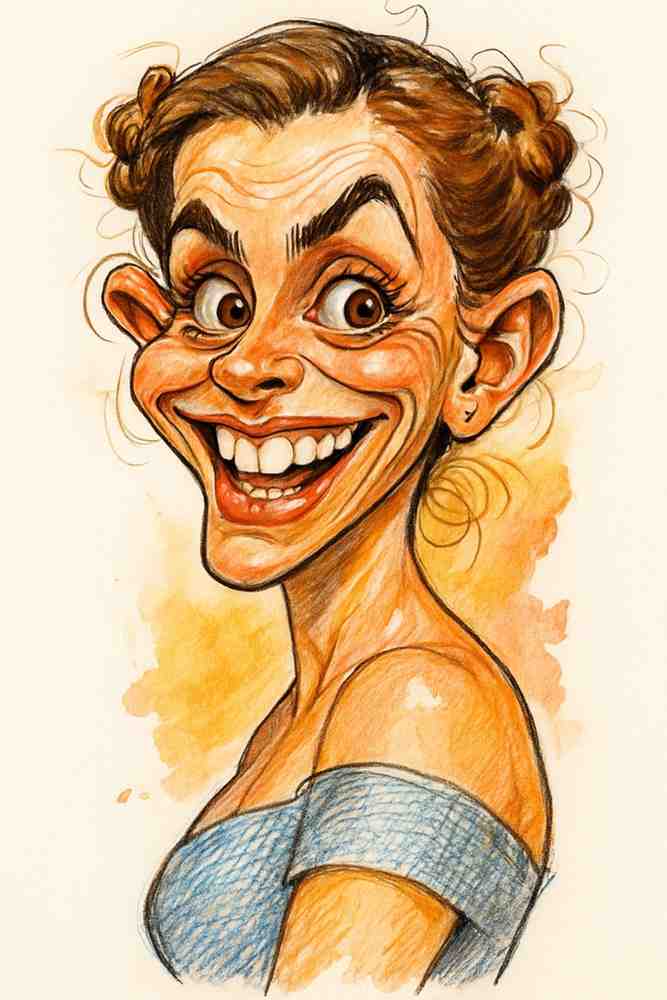
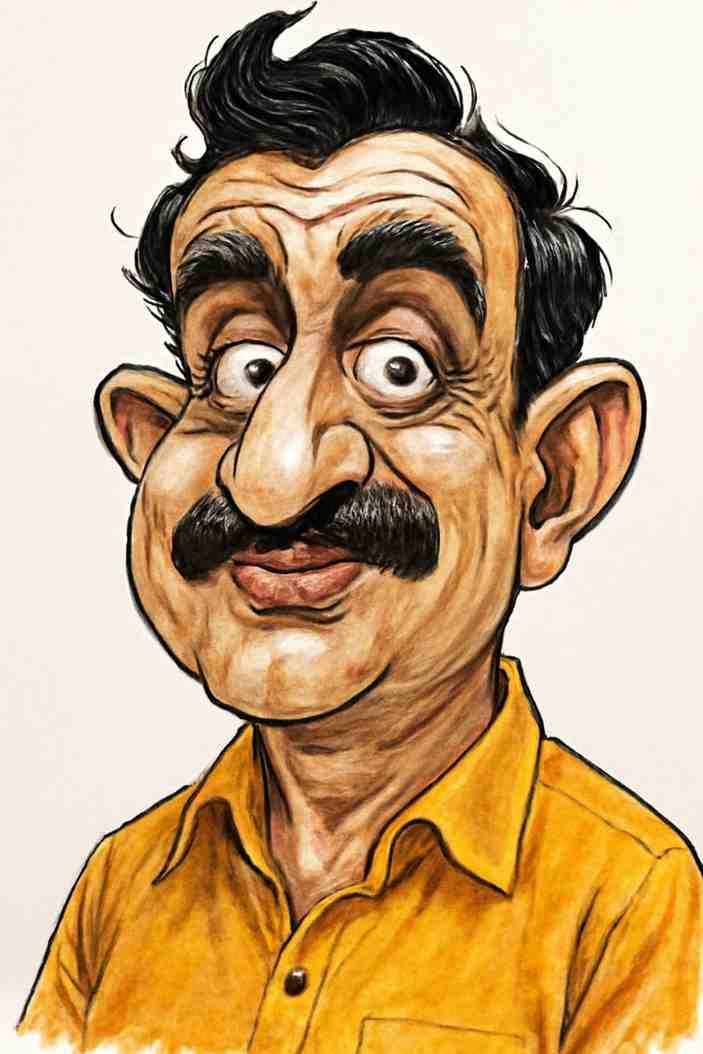
“Caricature” covers a lot of ground. A three-minute marker sketch at a wedding, a cross-hatched politician in a magazine and a painted rock star with a chin the size of a suitcase are all caricatures, and they have almost nothing else in common. If you’re commissioning one, buying one as a gift or learning to draw them, knowing the main styles saves you from ordering the wrong thing.
This guide covers the ten styles you’re most likely to meet: what each looks like, where it came from, what it’s good for and what to watch out for. A comparison table and a short decision guide follow, so you can pick with confidence.
What Every Style Has in Common
Whatever the medium, a caricature does two things at once: it exaggerates, and it stays recognizable. The artist finds what’s different about a face compared with an average one, pushes those differences further, and leaves the rest alone. Style is everything that happens after that decision: the tools, the amount of detail, how far the exaggeration goes and how kind it is. We cover the principle in more depth in what is a caricature?
Two dials explain most of the differences between styles:
- How far the exaggeration goes. From a gentle nudge that still flatters to proportions no human head could have.
- How much rendering there is. From five ink lines to every pore painted in.
Keep those two dials in mind and the ten styles below become much easier to tell apart.
The 10 Caricature Styles
1. The live quick-sketch
What it looks like: Black marker or brush pen on white paper, drawn in three to five minutes while you sit. Often a profile or three-quarter view, with a big head on a tiny body and very few lines.
This is the style most people picture first: the artist at a fair, a wedding reception or a boardwalk. Speed is the whole point. With only a few minutes, the artist has to commit to one or two features and ignore the rest, which is why quick-sketches often feel bolder than slower work.
Best for: Entertainment at parties, weddings and company events, where watching the drawing happen is half the fun.
Watch out for: You get one attempt, on paper, in whatever the artist sees that day. It’s a souvenir of the event more than a portrait you plan around.
2. Full-color street and theme-park style
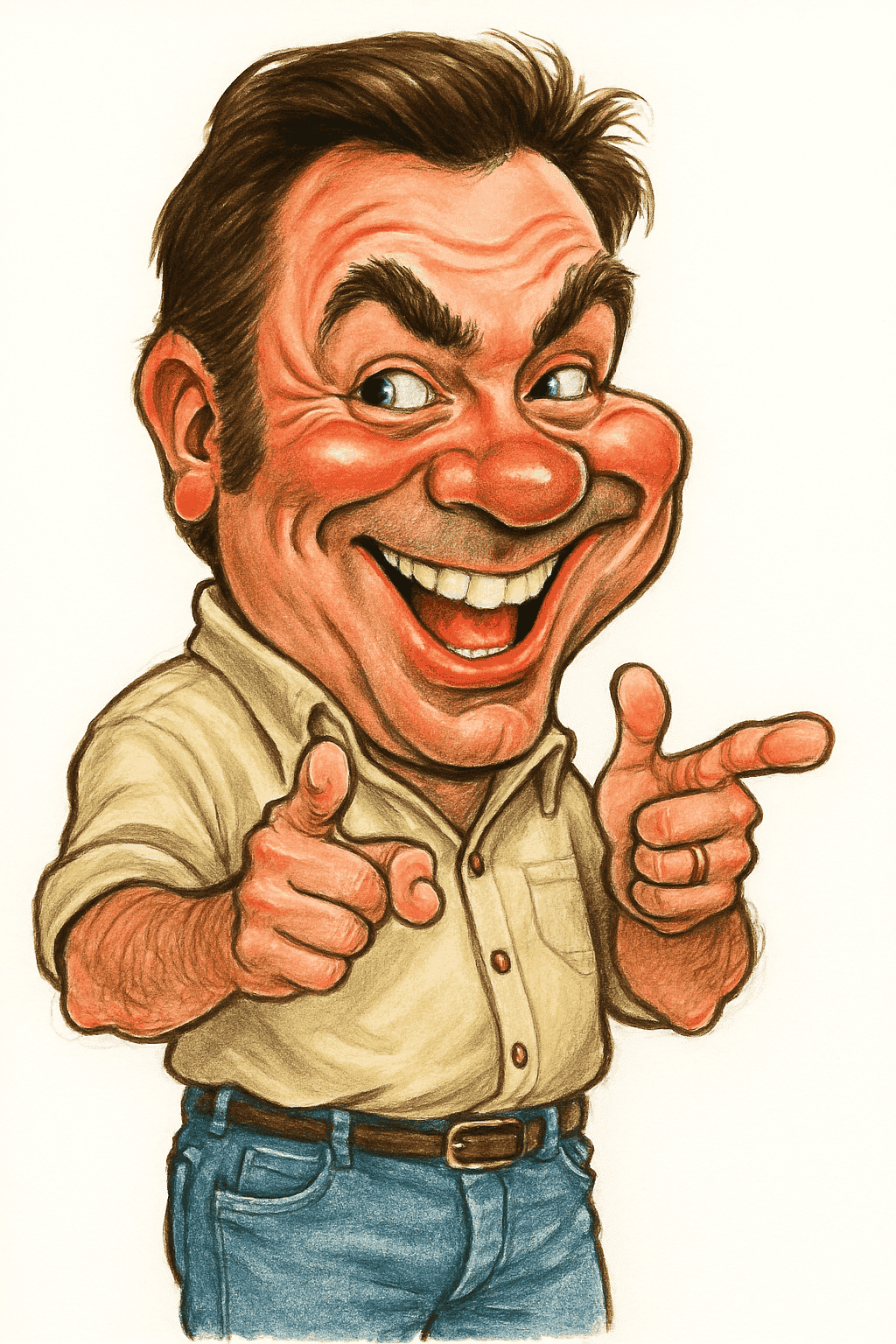
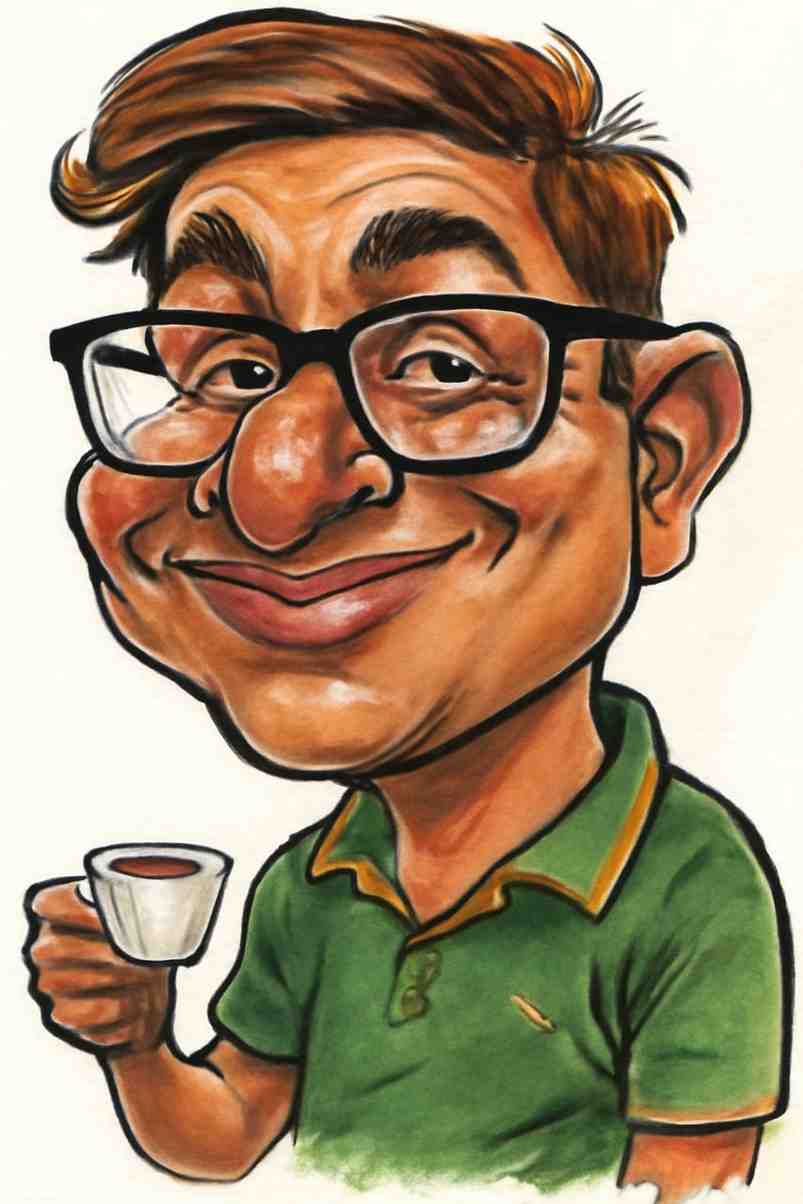
What it looks like: The quick-sketch’s richer sibling: confident ink outlines filled with marker, colored pencil, watercolor or airbrush. Warm skin tones, glossy highlights on the nose and cheeks, and a lot of energy.
Airbrushed color became the signature of theme-park and seaside caricature stands, because an airbrush lays down smooth color fast enough to keep a queue moving. It’s the look most people mean when they say “a proper caricature”.
Best for: Gifts, framed prints, cards and profile pictures. Color carries personality, such as hair, complexion and a favorite shirt, that line alone can’t.
Watch out for: Color takes longer live, usually ten to twenty minutes per person, so artists charge more for it.
3. Big head, themed body
What it looks like: An oversized, carefully drawn head on a small cartoon body that’s doing something: golfing, cooking, riding a motorbike, holding a stethoscope.
This is the classic commissioned gift format. The head carries the likeness and the body carries the story, so a single picture can say “this is Dad, and Dad fishes”. Artists who work from photos often offer a menu of bodies and backgrounds to choose from.
Best for: Retirement, farewell and milestone-birthday gifts, where the person’s job or hobby is the joke.
Watch out for: The more props and background you ask for, the longer it takes and the more it costs. Likeness should still come first: a perfect golf bag won’t save a head that doesn’t look like him.
4. Pencil and charcoal studio portraits
What it looks like: Black and white or sepia, with soft shading and real attention to light and form. The exaggeration is usually gentler, and the result sits closer to a portrait.
Graphite and charcoal let an artist model a face in three dimensions, so the exaggeration reads as sculptural rather than cartoonish. This is also how most people start: a pencil is the only tool you need to learn the craft.
Best for: A more dignified gift, such as an anniversary present or a portrait of a grandparent, where “funny but flattering” matters.
Watch out for: Subtle exaggeration is harder than it looks. Done timidly, it lands in an awkward middle: not funny enough for a caricature and not accurate enough for a portrait.
5. Pure line
What it looks like: No shading and no color, only a handful of flowing ink lines. Whole faces are suggested by a jaw curve, an eyebrow and a swoop of hair.
Al Hirschfeld made this style famous over decades of drawing Broadway and Hollywood performers, many for The New York Times. Earlier, the Baroque sculptor Gian Lorenzo Bernini dashed off pen caricatures of the papal court with almost as few strokes. Line caricature is the proof that likeness lives in shapes, not details.
Best for: Logos, monograms, wedding stationery and anything printed small or in one color.
Watch out for: It’s the least forgiving style. There’s nowhere to hide a wrong line, so it needs an artist who really specializes in it.
6. Editorial and political pen-and-ink
What it looks like: Dense cross-hatching, big heads on small bodies, and a point of view. The face is exaggerated to say something about the person’s character or actions.
This tradition runs from James Gillray’s prints of Georgian politicians and Honoré Daumier’s lithographs of French officials to David Levine’s cross-hatched portraits in The New York Review of Books. Here, exaggeration is argument: the drawing is making a case about its subject.
Best for: Newspapers, magazines, satire and commentary about public figures.
Watch out for: It’s built to criticize. That’s exactly right for a politician and usually wrong for your sister’s birthday.
7. The full-figure society portrait
What it looks like: The whole person, head to toe, standing in a characteristic pose, with elegant watercolor or flat color. The posture and clothes are exaggerated as much as the face.
Between 1868 and 1914 the British magazine Vanity Fair published weekly color caricatures of statesmen, judges, athletes and artists, most famously by Carlo Pellegrini (“Ape”) and Leslie Ward (“Spy”). Max Beerbohm’s witty watercolors of Edwardian society continued the idea. These pictures show that a slouch, a strut or a way of holding a cigarette can be as recognizable as a nose.
Best for: Team pages, speaker line-ups and gifts where someone’s stance or style of dress is part of who they are.
Watch out for: It needs a full-length photo and an artist who can draw bodies well, which is a rarer skill than drawing faces.
8. Painted and hyper-detailed
What it looks like: Oil, acrylic or digital painting with photographic detail: pores, wrinkles, reflections in the eyes. The proportions are wildly distorted, but everything is rendered as if real.
The German painter Sebastian Krüger is the best-known name here, with enormous, richly painted caricatures of rock stars. Many digital artists now work this way too. The tension between realistic rendering and impossible proportions is what makes these images so striking.
Best for: Statement art, magazine covers, album art and large prints.
Watch out for: It’s the slowest and most expensive style, often many hours of work per piece, and extreme realism can tip from funny into unsettling.
9. Sculpted and 3D
What it looks like: Caricature you can walk around: clay busts, puppets, figurines and bobbleheads.
This is older than it sounds. In the 1830s Daumier modeled small painted clay busts of French parliamentarians to use as references for his prints. A century and a half later, the British TV show Spitting Image (1984–1996) turned politicians and celebrities into latex puppets built by Peter Fluck and Roger Law. Today the everyday version is the custom bobblehead.
Best for: Desk gifts, cake toppers and trophies.
Watch out for: Likeness is hardest in three dimensions, because it has to hold up from every angle. Ask to approve the sculpt before it’s painted.
10. AI-generated
What it looks like: It depends entirely on the tool. Most AI caricature makers produce a hand-drawn, full-color look, close to style 2, generated from a photo you upload.
AI doesn’t add a new visual style so much as a new way of getting one. The model has learned how caricaturists exaggerate, and applies that to the face in your photo. The trade-offs are different from a human artist: it’s far faster and cheaper and you can retry freely, but you can’t have a conversation with it about what you want.
Best for: Profile pictures, cards, last-minute gifts and anything where you need several people done in a consistent style.
Watch out for: Results depend heavily on the photo, and quality varies a lot between tools. Look for real before-and-after examples, not just the best results.
Caricature Styles Compared
Times and prices vary a great deal by artist, country and detail, so treat this as a rough guide to how the styles relate to each other rather than a quote.
| Style | Typical time | Relative cost | Best use |
|---|---|---|---|
| Live quick-sketch | 3–5 minutes | Low per face (artist hired by the hour) | Event entertainment |
| Full color | 10–20 minutes live; days from a photo | Medium | Gifts, prints, profile pictures |
| Big head, themed body | Days | Medium to high | Retirement and hobby gifts |
| Pencil or charcoal | Hours to days | Medium | Flattering portraits |
| Pure line | Hours | Medium to high | Logos and stationery |
| Editorial pen-and-ink | Hours to days | High | Publications and satire |
| Full-figure portrait | Days | High | Team pages, formal gifts |
| Painted, hyper-detailed | Days to weeks | Highest | Statement art, covers |
| Sculpted or 3D | Weeks | High | Desk gifts, cake toppers |
| AI-generated | About a minute | Lowest | Avatars, cards, groups, last-minute gifts |
How to Choose the Right Style
Three questions settle it almost every time.
1. Who is it for, and how will they take it?
This matters more than anything else. Caricature exaggerates the things people are most aware of about their own faces, and not everyone enjoys that equally. For someone who laughs at themselves easily, go bold. For a boss, an in-law or anyone you’re unsure about, choose a gentler style (pencil, line, or a color caricature with light exaggeration) and a photo where they look happy. Good caricature laughs with the person.
2. Where will it end up?
- A tiny circle on a phone screen: you need bold shapes and color. Fine pencil shading and thin lines disappear at profile-picture size. See our guide to caricature profile pictures.
- A card, mug or invitation: full color or pure line both print well at small sizes.
- A frame on the wall: this is where detail pays off, so pencil, painted or a carefully finished color piece all work. Check the file size first with our printing guide.
- A room full of guests: a live quick-sketch artist. Nothing else gives people the experience of sitting for one. We compare the options in caricatures for corporate events.
3. How much time and money do you have?
If the party is on Saturday, a painted commission is out. Commissioned work from a photo usually takes days and involves a round or two of proofs; live artists need booking in advance; AI takes about a minute and costs the least. Our artist vs AI comparison goes through cost, turnaround and revisions in detail.
Mistakes to Avoid When Ordering a Caricature
- Judging an artist by one sample. Look at ten or more pieces. You’re checking that different faces look different, not that one celebrity looks right.
- Sending a poor photo. Every style depends on the reference. Sharp, well-lit and front-facing beats a favorite photo that’s dark or blurry. Here are the dos and don’ts of choosing a photo.
- Asking for “not too exaggerated” without an example. Everyone means something different by it. Point to a sample from the artist’s own portfolio and say “like this one”.
- Forgetting usage rights. If you plan to print it on merchandise or use it for a business, confirm in writing that you’re allowed to.
- Choosing a critical style for a friendly occasion. Editorial caricature is designed to sting. Gift caricature should make its subject laugh first.
Which Style Does Our Caricature Maker Use?
To be clear about what we offer: our caricature maker produces one look, the full-color, hand-drawn street-artist style (style 2 in this guide), on a clean white background. It doesn’t do pencil, pure line, painted or sculpted work, and it doesn’t add themed bodies or props that aren’t in your photo.
What you can control is the first dial, exaggeration. There are three levels:
- Subtle: light and flattering, close to life. A good choice for gifts when you’re not sure how the person will react.
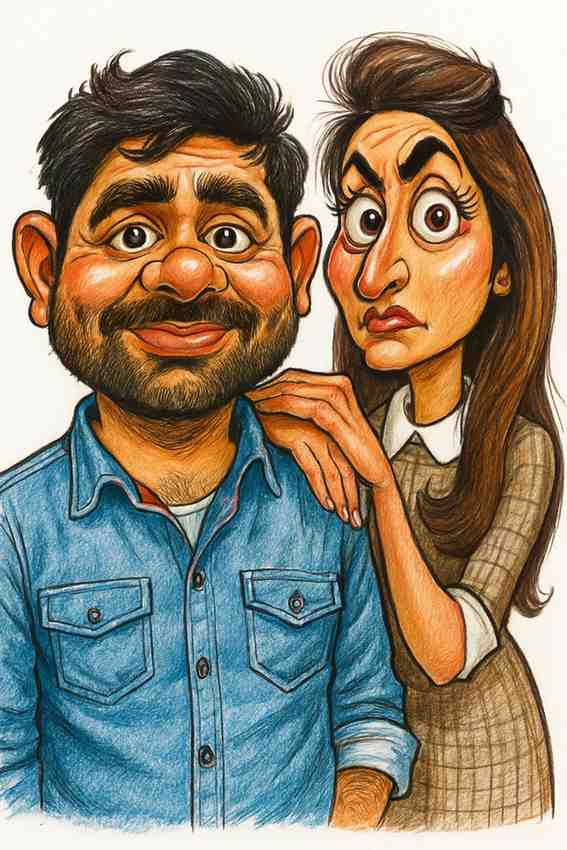
- Classic: the balanced look shown in the examples above.
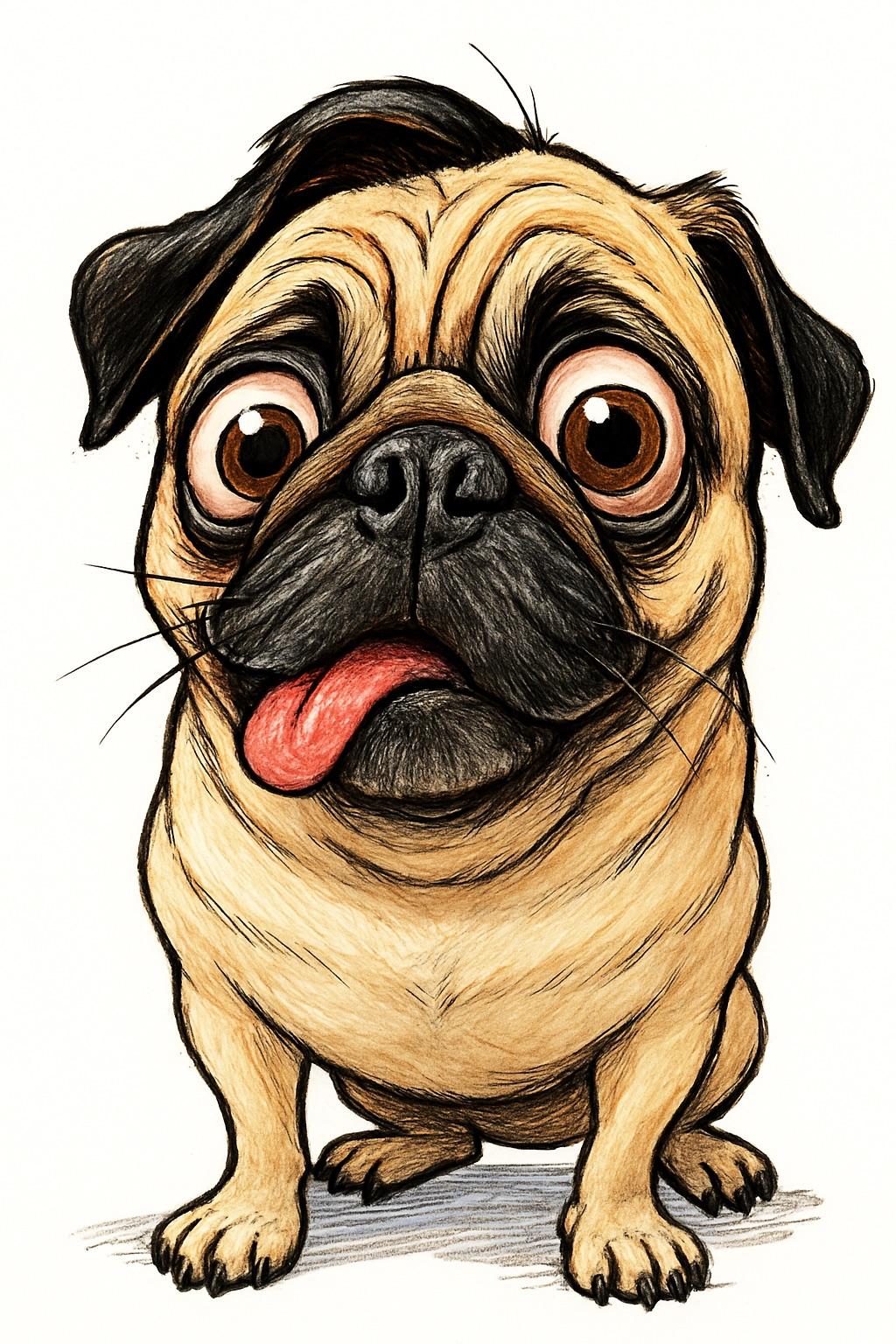
- Extreme: big head, small body and features pushed as far as they’ll go.
It works with solo portraits, couples, groups and pets, and your first caricature is free, so you can see whether the style suits you before paying for anything. If you want a different style from this guide, a human specialist is the right choice, and we’d say so.
Frequently Asked Questions
What is the most popular caricature style?
For gifts and events, the full-color street style and the live black-and-white quick-sketch are by far the most common. In print media, pen-and-ink editorial caricature is the long-standing standard.
What’s the difference between a caricature and a cartoon portrait?
A cartoon portrait simplifies a face into a clean, appealing drawing. A caricature deliberately exaggerates what’s distinctive about it. Many “cartoon yourself” pictures are flattering simplifications with no exaggeration at all. We compare the two in caricature vs cartoon.
Which caricature style is easiest to learn?
Start with pencil, drawing from photos, so you can erase and compare. Once you can reliably spot the feature to exaggerate, move to marker quick-sketches to build speed and confidence. Our step-by-step drawing guide walks through the process.
Which style is the most flattering?
Pencil portraits, pure line and color caricatures with light exaggeration. All three keep the proportions closer to life, so the result reads as a charming version of the person.
Who are the artists to look at for each style?
Hirschfeld for line, Levine and Gillray for editorial pen-and-ink, “Spy” and “Ape” for full-figure portraits, Krüger for painted work and Daumier for almost everything, including sculpture. We profile them in 10 famous caricature artists.
The Short Version
Pick the style by the person and the place it will end up, not by which sample impressed you most. Bold color for small screens and cheerful gifts, gentle pencil or line when tact matters, a live artist when the experience is the point, and painted or sculpted work when you want a showpiece and have the time and budget. And if you’d like to see yourself in the full-color style right now, you can turn a photo into a caricature and try the three exaggeration levels for yourself.
Want to see yourself as a caricature?
Upload a photo and get a funny, high-resolution caricature in seconds.
Create Your Caricature